


The built environment sector is responsible for circa 37% of energy-related carbon emissions worldwide. It is clear the construction industry’s response to Net Zero initiatives is crucial in achieving climate change goals. Dijon Marples-Wall, Senior Carbon Consultant at multi-disciplinary consultancy Pick Everard, says tackling three core priorities — funding, education and data — can help ensure infrastructure projects drive the transition to Net Zero 2050.
It is fair to say there is confidence in the construction industry when it comes to achieving Net Zero. Attitudes are adjusting, and behavioural improvements are starting to build and create positive change. This new confidence shift has been recognised by the Government’s Climate Change Committee, which says the target of achieving Net Zero carbon emissions by 2050 is within reach. However, the Committee is also clear that more than 80 per cent of the required emission savings between now and 2030 need to come from sectors other than energy supply, namely surface transport, buildings, and industry.
It is time for Net Zero buildings to become more of a normality than a novelty. How we design, build and power everything from new affordable housing developments to employment sites needs to be the result of better and more fundamental choices. This boils down to the consideration of three core priorities: funding, education and data. Access to smarter technologies is one thing, but without financial incentives, offering training on installation, maintenance and upgrades, and the exchange of knowledge and best practices, we can’t accelerate progress.
Looking at the bigger picture — funding
Carbon emissions are measured across three scopes. Scope 1 covers direct emissions from sources of energy such as fossil fuels; Scope 2 covers indirect emissions from the energy we source and buy; and Scope 3 covers all purchased and procured goods and services — both up — and down-stream of our own activities.
A sizeable barrier to reducing emissions under both Scope 1 and 2 is legacy systems: tired boilers alongside ageing infrastructure, for example, are unviable, create poor energy efficiency and are a huge maintenance burden. Technology and automation are improving (such as apps that manage temperatures, sensor linked shutters, among others) and behavioural change exercises can yield results. Our societal appetite to make fundamental change is intimately linked to available funding. Funding remains the key to unlocking maximised whole life value.
Investing in more efficient systems to maximise whole life value should be second nature in construction. Whether funded via savings, private investment vehicles, loans or grants, feasibility studies will likely show payback performances. Whether savings are achieved after Year 3 or Year 13 will depend on the size and type of investment, but the tipping point (where systems will result in cost, maintenance and energy savings) must be firmly understood and agreed prior to installation. To that extent, the funding issue is one of the easiest to solve if we can clearly demonstrate whole life value to those at Government or market level with the ability to unlock funds.
Overall though, the ‘invest to save’ messaging needs to hit home, and all eyes will be on those projects that have already put their faith in designs that allow everyone to benefit from long-term sustainability.
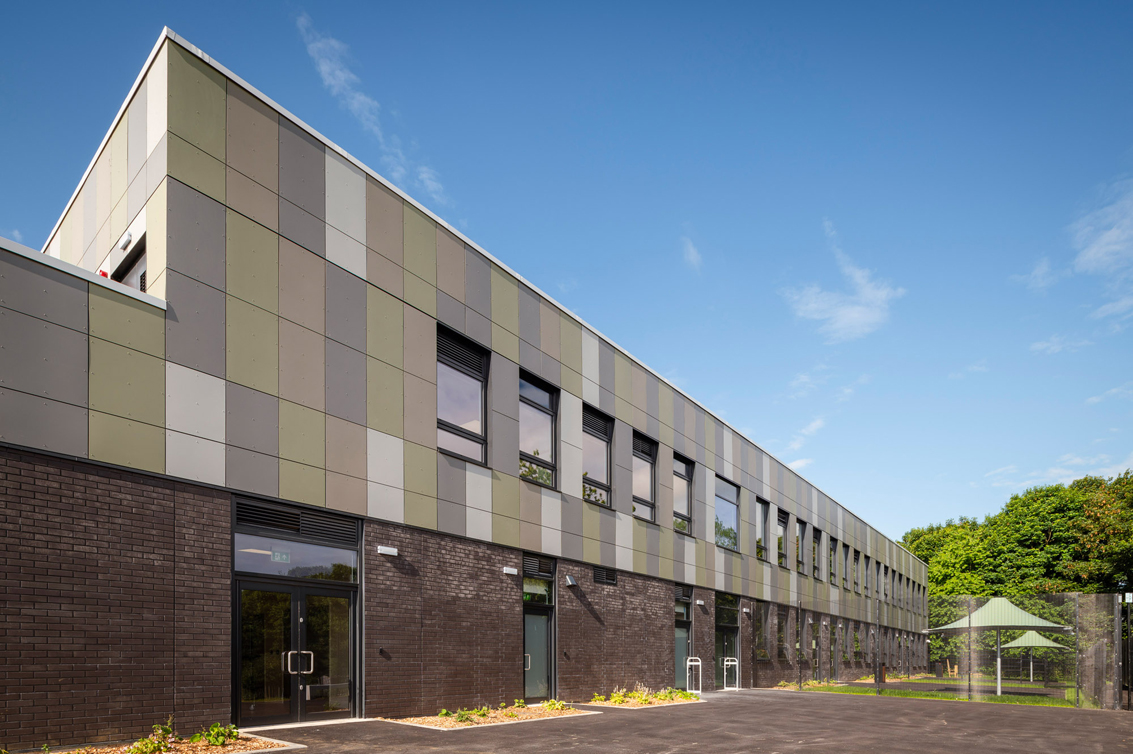
Bowman Academy in Leicestershire is among those flagship schemes. Designed to support pupils with social, emotional and mental health needs, the development harnessed modern methods of construction for safety, efficiency, and future adaptability.
The approach adopted significantly reduced material consumption, waste and carbon emissions. Offsite manufacturing minimised environmental impact, decreasing transportation needs and onsite construction time. Precision engineering improved energy efficiency, with optimised insulation, PV panels, and mechanical ventilation with heat recovery systems, reducing operational energy use.
Building together for change — education
With emerging technology and advanced systems comes a need to educate and train more installers and engineers, as well as other construction industry practitioners. The UK construction industry can position itself as the market leader in advanced energy efficiency practices and raise the bar globally, through funded apprenticeships and degrees, CPD and e-learning initiatives. We need to look beyond simply opting for the (purported) “low carbon” products, and push for a deeper and more consistent understanding of truly sustainable infrastructure that is tailored to the size, scale and nature of construction activities.
How do Net Zero solutions align with safe building practices? How are technologies best combined, and in which scenarios? Are systems able to flex and cope with future climate and weather events? How will legislation change… and how can our plans transition? How will Energy Performance Certification (EPC) methodologies afford catalytic change? All these questions can in part be answered by funding for university places, training the trainers, investing in research and mandating the frontloading of our lifecycle decision making.
Shaping the speed of progress — data
For the construction industry, the acquisition, interrogation and celebration of data is one of the final significant pieces of the puzzle to achieving Net Zero by 2050. The construction industry needs validation that its efforts are delivering impacts. This could be achieved by implementing a consistent requirement for carbon reporting (e.g. through the highly anticipated (possibly now in jeopardy?) Part Z for Building Regulations), through traceable published EPD data, and by making Scope 3 easier for community and business members to reduce. Currently, the majority of progress has been across Scope 1 and 2, but Scope 3 remains the ‘elephant in the room’ by accounting for the highest proportion of emissions. We need to get a handle on how we tackle these emissions now, and data has a major role to play.
For example, digital construction strategies such as Building Information Modelling (BIM) and Digital Twinning help us to review and take action on how we plan, design, procure, build, operate and reuse structures to reduce lifetime carbon. A push on post occupation surveys will also help us harvest invaluable ‘use case data’. We need access to trusted and accessible information like this, which we can track and measure across the lifecycle of assets, throughout the value chain.
Tangible, transparent commitment
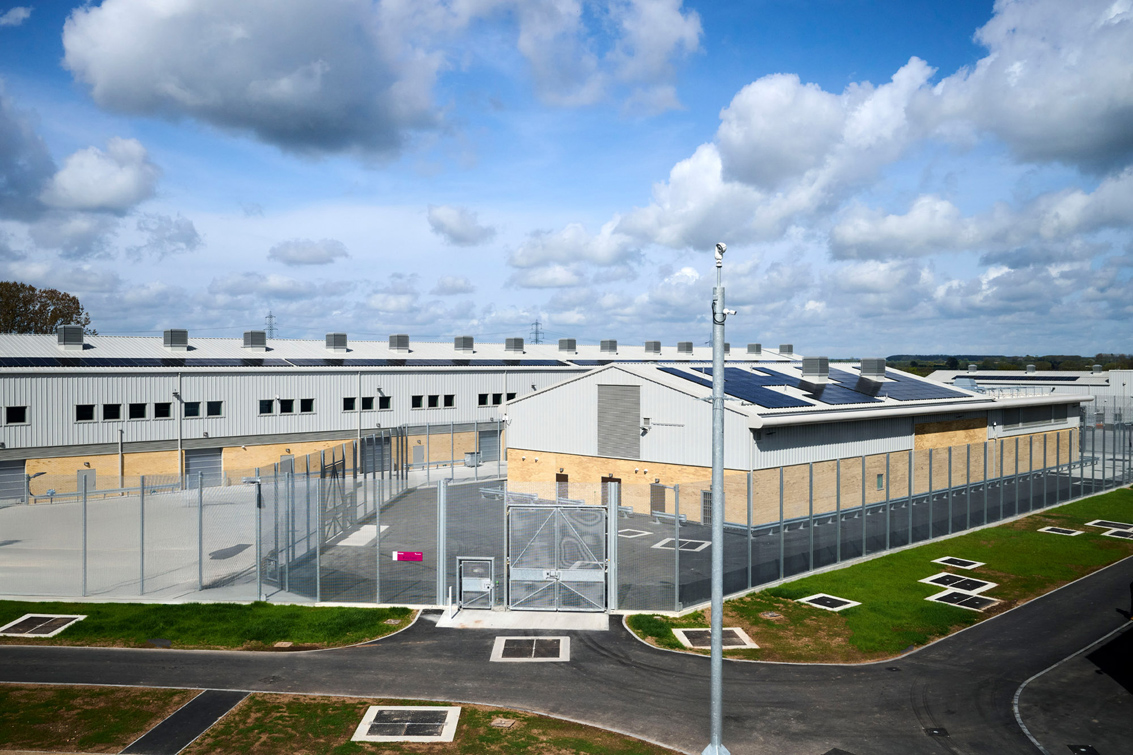
There is some fantastic work taking place in the construction sector from architects, contractors, tradespeople, engineers and professionals — all evident in public sector projects as well as privately funded developments. A great example is HMP Millsike in York, which incorporates low carbon technologies, operates on 70% less energy than traditional facilities and generates over 645 MWh of renewable energy onsite per annum. It combines clever, efficient and low-maintenance heating and lighting strategies. Importantly, this was also backed up with training to raise awareness and get asset user buy-in to the benefits of the technology to make small but consistent behavioural changes.
The Climate Change Committee acknowledges that Net Zero by 2050 is achievable and it is feasible, but only if urgent and more significant action can be taken to keep plans on track. Hitting the next milestone of delivery of clean power by 2030 will require a united and Government-backed effort to maximise funding opportunities, educate our future practitioners, and gain deeper and more consistent knowledge through more transparent data.
Header image: Image credit Paul White Photography